Purchasing a Used Piano is a Significant Decision
A used piano can be an excellent value—quality instruments can last 50, 75, or even 100+ years. However, buying a used piano without expert guidance can lead to purchasing a damaged instrument that requires thousands of dollars in repairs. This guide will help you make an informed purchase and avoid costly mistakes.
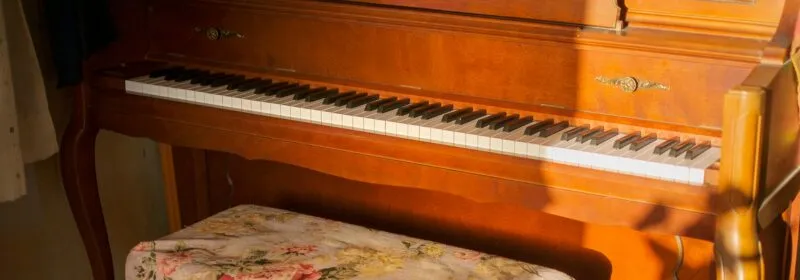
Critical Components to Inspect
When evaluating a used piano, pay close attention to these key elements:
Soundboard Condition
The soundboard is the heart of a piano's sound. Look inside the piano (or have a professional look) for:
- Large cracks or splits in the wood—these are expensive to repair or impossible to fix
- Visible repairs with glue or patches (sometimes these are successful, sometimes not)
- Water damage or discoloration indicating moisture exposure
- Loose bracing or warping
A cracked soundboard often means the piano's best years are behind it. A solid soundboard is essential to a piano's sound quality and longevity.
Pin Block
The pin block holds the tuning pins in place. Examine it for:
- Cracks or splits, which prevent the piano from holding tuning
- Loose tuning pins that won't stay in place when adjusted
- Water damage or rot, which weakens the wood's grip on pins
A damaged pin block means the piano won't hold tuning and can be very expensive to replace. This is a critical structural component.
Strings and Tuning Pins
Examine the strings for:
- Rust or corrosion, especially on the wound strings (bass notes)
- Broken strings that have been removed but not replaced
- Strings that are coated in dirt and grime
- Tuning pins that are loose, misaligned, or corroded
A few broken strings can be replaced affordably, but extensive damage is a red flag. Heavily rusted strings in a humid climate suggest the piano wasn't maintained and may have internal moisture damage.
Hammer Condition
Piano hammers directly affect tone quality. Inspect for:
- Worn or flattened hammer felt on the high treble notes (normal wear)
- Deeply grooved or deteriorated hammers (indicates age and use)
- Broken or cracked hammer heads
- Hammers that are severely hardened or irregular
Minor hammer wear is normal and relatively affordable to address through voicing or replacement. Severe hammer deterioration means expensive repairs and poor tone quality.
Keys and Action
Test the keyboard for:
- Sticky or sluggish keys that respond slowly or unevenly
- Keys that stick or don't fully reset
- Cracked or chipped keytops (cosmetic but worth noting)
- Loose or damaged key guides
- Excessive key rattle or movement
- Ivory (on older pianos) that is loose, cracked, or deteriorating
Play through the entire keyboard slowly to test each key. The action should respond smoothly and consistently across all 88 notes. Sluggish action often indicates internal wear or moisture damage.
Case and Exterior
While less critical than internal condition, examine:
- Cracks in the wooden case that might indicate structural stress
- Veneer damage or peeling that exposes the wood beneath
- Moisture damage, staining, or signs of water exposure
- Loose legs or bracing
- Functioning pedals and hardware
Cosmetic damage is less concerning than structural issues, but it provides clues about the piano's overall care and history.
Red Flags to Avoid
Walk away from a piano if you notice:
- Large cracks or splits in the soundboard
- Cracked or damaged pin block with loose tuning pins
- Visible mold, mildew, or severe water damage inside
- Rust or corrosion throughout the interior
- Multiple broken strings that haven't been replaced
- Keys that don't work or are severely sticking
- Hammers that are severely deteriorated or broken
- Piano that smells moldy, musty, or has a strong chemical odor
- Seller unable to provide information about the piano's history or origin
- Unreasonably low price for a full-size piano (often indicates serious problems)
These issues indicate structural damage that will be costly or impossible to repair. Better pianos are available; don't settle for a problematic instrument.
Why a Professional Pre-Purchase Inspection Matters
Many piano problems aren't immediately obvious to untrained eyes. A piano can look fine from the outside while having serious internal damage. Professional inspection reveals:
- Hidden structural damage that affects longevity and repairability
- The true cost of bringing the piano to excellent condition
- Whether the price is fair for the piano's actual condition
- Which repairs are essential vs. cosmetic
- The piano's realistic playability after repairs
- Whether the piano is worth the asking price or if you should negotiate
Think of it like a home inspection before buying a house—a small investment in professional evaluation can save you thousands in avoided repairs or overpayment.
What to Test When Playing a Used Piano
When you play a potential purchase, evaluate:
- Does the piano feel responsive and easy to play?
- Is the touch consistent across the entire keyboard?
- Does the tone sound rich and full, or thin and weak?
- Are there any unpleasant buzzes or noises?
- Do the pedals function smoothly and affect the sound properly?
- Is the action sluggish or does it feel fast and playable?
- Are there dead spots where certain notes don't respond well?
A good piano should play smoothly and pleasantly, not struggle or resist your fingers. Trust your instincts about how the instrument feels.
Marty's Pre-Purchase Inspection Service
Found a used piano you're interested in? Marty Karmiol can perform a comprehensive pre-purchase inspection before you commit to buying. He'll evaluate the piano's condition, identify any problems, estimate repair costs, and give you an honest assessment of whether it's a good value.
This service is invaluable for making an informed decision. Many buyers have found that a professional inspection saved them from purchasing a problem piano or helped them negotiate a better price.